





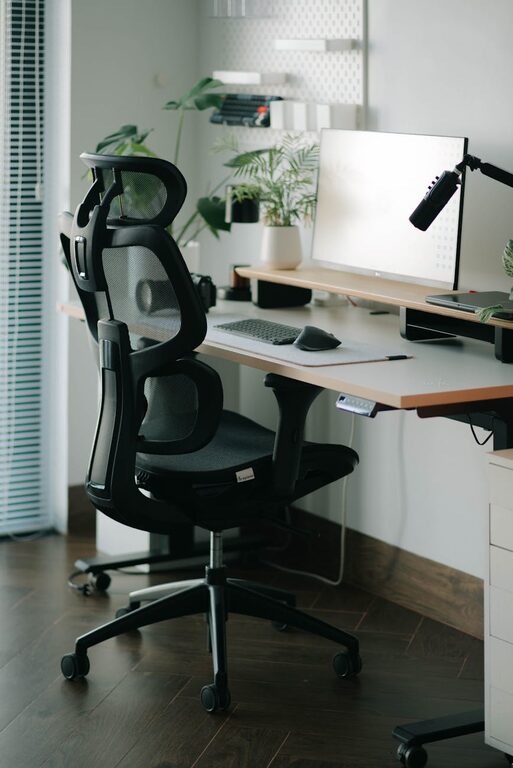
Creating a relaxing home workspace is essential for maintaining productivity and well-being, especially as many people continue to work remotely. A well-designed workspace helps reduce distractions, promotes concentration, and keeps stress levels low. Whether you have a dedicated room or a small corner in your living space, these tips will guide you in creating an environment that supports both comfort and efficiency.
Why a Relaxing Workspace Matters
Working from home can sometimes blur the boundaries between personal life and work. A cluttered or uncomfortable workspace may lead to stress and decreased motivation. By designing an area that feels peaceful and organized, you set the stage for better focus, creativity, and overall job satisfaction.
Choose the Right Location
Consider Light and Noise Levels
Natural light is one of the best elements you can add to your workspace. Position your desk near a window to enjoy daylight, which can improve mood and alertness. If natural light is limited, opt for bright, warm artificial lighting that mimics daylight.
Noise can be a major distraction. Try to pick a quiet spot away from household activity. If that’s not possible, consider noise-cancelling headphones or soft background music to help maintain concentration.
Make Space for Movement
Choose a space that allows you to stand up, stretch, or move around without difficulty. Sitting for long periods can cause discomfort, so having room to change your posture is important for both physical health and mental freshness.
Invest in Comfortable and Functional Furniture
Ergonomic Chair and Desk
Your chair and desk should support good posture to prevent back and neck pain. An ergonomic chair with adjustable height and lumbar support is ideal. The desk height should allow your arms to rest comfortably with elbows at about a 90-degree angle.
Add Supportive Accessories
Consider using a footrest or a monitor stand to improve comfort. Keep your keyboard and mouse within easy reach to avoid unnecessary strain.
Declutter and Organize
Keep Only Essentials on Your Desk
A clean workspace reduces stress and distraction. Limit desk items to what you use daily, such as your computer, notebook, and a few personal touches like a photo or small plant.
Use Storage Solutions
Use shelves, drawers, or organizers to keep paperwork and supplies out of sight but within reach. Label storage containers to find items quickly and maintain order.
Personalize Your Space Mindfully
Choose Calming Colors
The color scheme of your workspace can impact your mood. Soft, neutral colors like blues, greens, or light grays promote calmness and focus. Avoid overly bright or cluttered patterns that can be overwhelming.
Add Natural Elements
Plants not only improve air quality but also bring a sense of tranquility. Choose low-maintenance plants such as succulents or pothos. Natural materials like wooden desk organizers or woven baskets add warmth to the space.
Manage Technology Wisely
Limit Screen Glare and Eye Strain
Adjust your monitor’s brightness and position it to avoid glare from windows or lights. Use blue light filters or glasses to reduce eye fatigue, especially if you work long hours on screens.
Organize Cables and Devices
Tangled cords create visual clutter and can be frustrating. Use cable clips or sleeves to keep wires tidy. Regularly clean and update your devices to ensure smooth performance.
Incorporate Relaxation Techniques
Build in Breaks
Schedule short breaks throughout your workday to stretch, practice deep breathing, or step outside for fresh air. These moments help clear your mind and prevent burnout.
Create a Quiet Corner
If space allows, add a comfortable chair or cushion for brief relaxation or meditation. Even five minutes away from your desk can restore focus and reduce stress.
Maintain a Routine
Set Clear Work Hours
Establish defined start and end times for your workday. This helps separate work from personal life and creates a sense of normalcy.
Keep Your Workspace Clean Daily
Spend a few minutes each day tidying up. This habit keeps your workspace inviting and reduces the buildup of clutter.
Final Thoughts
Transforming your home workspace into a relaxing and productive environment doesn’t require a major overhaul. By focusing on light, comfort, organization, and personal touches, you can create a space that supports your best work. Remember, the goal is to build a setting that helps you feel calm and motivated—from the moment you sit down to the time you close your laptop.
With a little intentional design and mindful habits, your home office can become a place where productivity and relaxation go hand in hand.



More Stories